Fabric Selection for Cheerleading Competition Uniforms
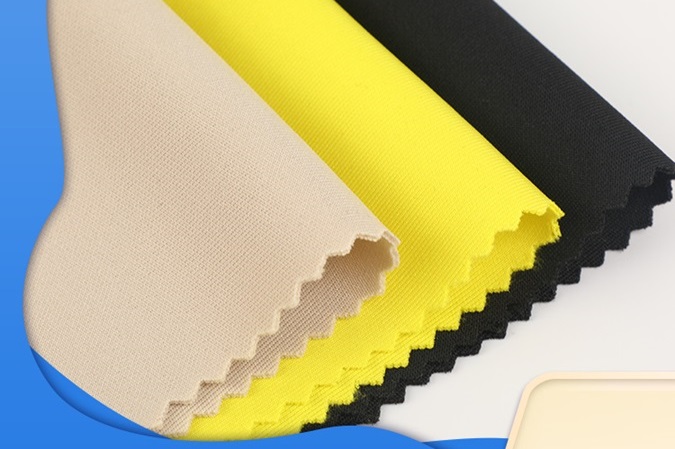
When selecting fabrics for cheerleading competition uniforms, it is essential to align with the demands of high-intensity movements in competition scenarios, market aesthetic preferences, compliance standards, and the brand's customization attributes. The core consideration should be a comprehensive evaluation from six key dimensions: athletic functionality, competition compliance, wearing comfort, durability, visual presentation, and market adaptability. Below is a detailed analysis:
Athletic Functionality: Adapting to High-Intensity Movement Requirements
Cheerleading involves large-range movements such as jumps, flips, and lifts, so fabrics must support both athletic flexibility and stability. High-elasticity fabrics are the primary choice, such as four-way stretch fabrics with a spandex content of 15%-25% (a blend of spandex and polyester/nylon). The elongation recovery rate should reach over 95% to ensure unrestricted movement and prevent post-competition deformation. Meanwhile, fabrics must offer excellent breathability. Mesh-structured polyester fabrics or breathable knitted fabrics are ideal options, as they accelerate sweat evaporation and avoid performance impairment caused by stuffiness during intense exercise. Additionally, the surface should be made of smooth and wear-resistant materials to reduce friction during lifts and rolls, minimizing the risk of uniform damage and skin abrasions.
Competition Compliance: Meeting Industry Standards
Mainstream cheerleading competitions have clear requirements for uniform fabrics, with a focus on safety and environmental certifications. Fabrics must pass the OEKO-TEX Standard 100 Class 1 (Baby Grade) certification to ensure the absence of harmful substances such as formaldehyde and heavy metals. This is a basic threshold for entering the European and American markets, especially for customized uniforms targeting teenage groups. Furthermore, some competitions prohibit fabrics with excessively high reflectivity or sharp decorations. Therefore, matte or soft-gloss fabrics should be selected to avoid violations.
Wearing Comfort: Balancing Comfort and Fit
Consumers have extremely high demands for clothing comfort, and fabrics must meet three core criteria: skin-friendliness, lightweight design, and unrestrictive fit. For the inner layer, modal-spandex blended fabrics are preferred for their softness, breathability, and ability to reduce skin friction. The weight of the outer fabric should be controlled between 180 - 280g/㎡, balancing structure and lightness to prevent the uniform from being too heavy and hindering movements like jumps. Additionally, fabrics must possess excellent moisture absorption and wicking properties. Quick-drying polyester fabrics are an excellent choice, as they rapidly absorb sweat, transfer it to the surface for evaporation, and keep the body dry.
Durability: Suitable for Frequent Use and Washing
Competition uniforms are frequently worn for training and competitions, so their service life is a key concern. Fabrics must be wrinkle-resistant, pilling-resistant, and wash-durable. Polyester-nylon blended fabrics offer strong wrinkle resistance, eliminating the need for complex ironing after competitions. Pilling-resistant treated fabrics (with a pilling grade of ≥4) should be selected to prevent fuzzing after long-term wear. Moreover, fabrics must withstand chlorine bleaching and high-temperature washing (able to tolerate water temperatures of 60℃). They should retain vibrant colors and uncompromised elasticity even after multiple washes, meeting the repeated use needs of professional teams.
Visual Presentation: Meeting Aesthetic and Customization Needs
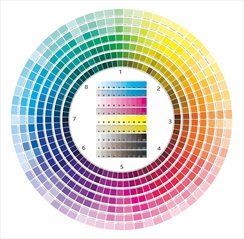
Cheerleading competition uniforms require strong visual impact, making the fabric's color expression, luster, and decoration adaptability crucial. The high-end market favors high-saturation colors (such as bright red, royal blue, and metallic hues). Fabrics with excellent color fastness (washing color fastness ≥3 - 4, rubbing color fastness ≥4) should be chosen to prevent fading and color bleeding. For uniforms requiring customization processes like rhinestone application or heat transfer, fabrics must be high-temperature resistant (able to withstand 150 - 180℃) and have a smooth surface to ensure decorative patterns are firmly attached and do not peel off. For some high-end customized styles, glossy spandex fabrics with a subtle sheen can be used to enhance the stage texture.